- Square footage
- Fits most small nooks
- Cost
- About $351
- Difficulty
- Beginner-friendly
- Renter-safe
- No-drill, packable swaps
Why warm linen-and-wood japandi styling is the window seat nook of 2026
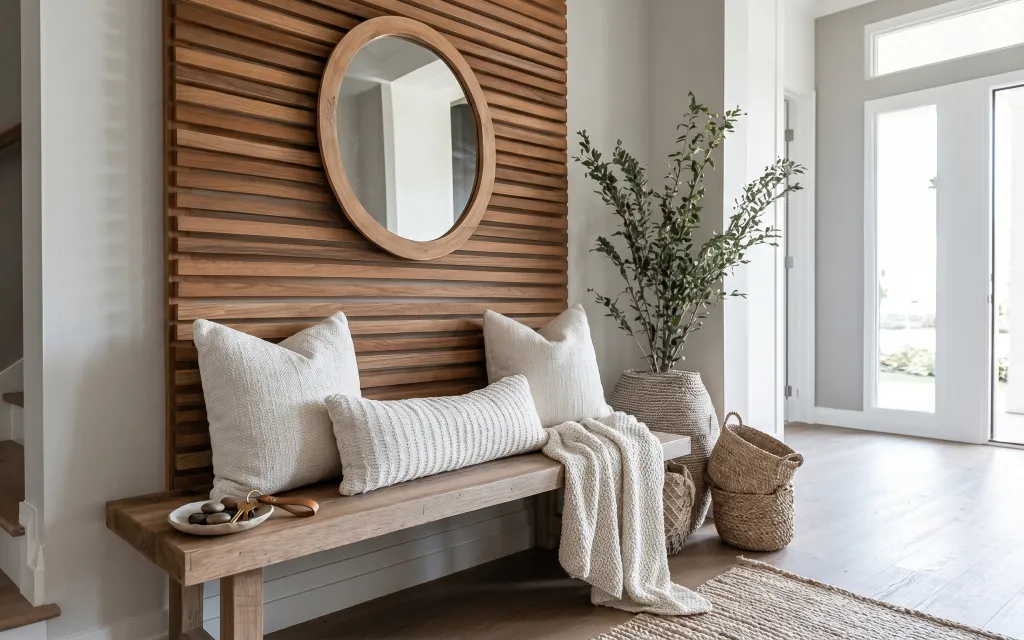
The first thing you notice here is how the wood slat panel makes the wall feel like built-in storage without actually being storage. The cream throw pillows and the linen throw bring in that slightly nubby, lived-in texture that works beautifully against smooth wood. A light beige area rug also matters because it grounds the seat so it doesn’t feel like “furniture placed on flooring.” For shared housing, this mix is doable: it’s mostly soft goods and freestanding decor, not permanent installs.
I used to overthink these setups and chase the perfect matching set—pillows from the same store, then the same shade in the same weave. In one apartment that looked great in photos but felt flat in real life, so I started mixing textures instead: linen with a more open weave, plus a woven basket to add structure. This is the same lesson, scaled down for a nook.
Layer 1 — light beige area rug ($80) Grounds the seat so it reads like a zone
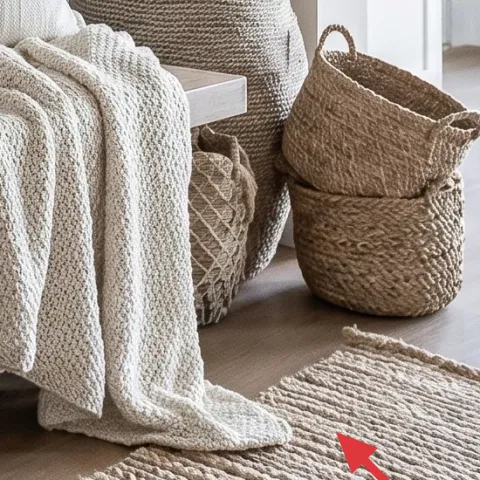
This light beige area rug sits at the bottom edge of the window seat and visually “anchors” the bench area, which the floorboards alone can’t do. The neutral color keeps it from competing with the warm wood slats and cream pillows. Buying a rug in a move-friendly size is also practical for shared housing—when you leave, you can roll it and slide it into cardboard boxes without fuss. A smaller doormat would look cute but wouldn’t create that base layer effect, so the 5×7 scale is the choice here.
Pick a rug that hides everyday marks
Beige with a subtle texture reads clean in daylight and forgives coffee spills, scuffs, and the occasional “oops” bag drop.
Layer 2 — three cream textured throw pillow covers ($36) Brings the soft, woven look without changing furniture
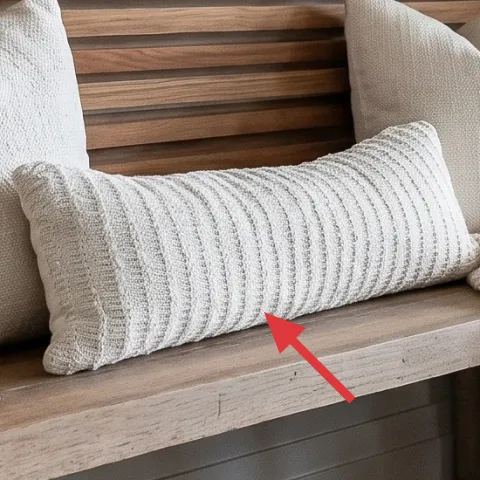
The three cream textured throw pillows are doing most of the comfort work while also echoing the linen throw blanket. Their slightly varied texture matters: it keeps the nook from looking like one flat color block. For shared housing, the trade-off is that pillow covers are a “soft inventory” swap—easy to pack, easy to replace, and simple to remix next lease. The obvious alternative is buying one big decorative pillow, but that won’t give you the same layered, breathable look you get from three covers with different texture patterns.
Why covers beat full pillow replacements
Cover changes let you stay within budget and keep the volume consistent even if your next bed or bench dimensions shift.
Layer 3 — cream linen throw blanket ($30) Adds weight and movement to the bench
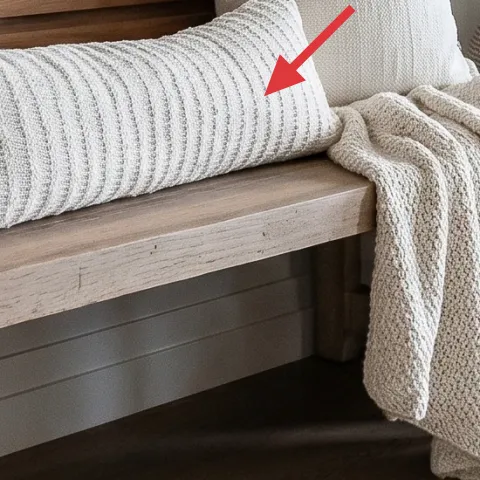
The cream linen throw blanket drapes across the bench like a casual fold, which gives the whole nook height changes without installing anything on the wall. Linen’s dry texture reads right next to the wood slats, so the textures feel intentional rather than decorative-on-top. This is also a “packable” decision: fold it, roll it, and keep it in the same box as the pillows for easy re-styling later. If you swapped to a smooth satin throw, it would reflect more light and clash with the matte wood-and-linen palette.
Fold it to show one long edge
A visible edge line makes the blanket look styled instead of random, even when it’s just draped.
Layer 4 — woven storage basket (round, open-top) ($20) Makes the nook functional and not precious
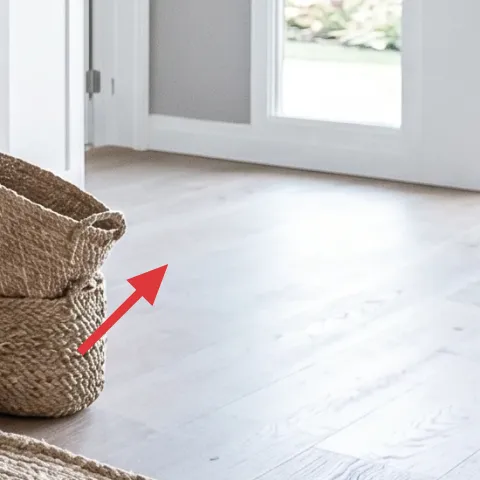
The round woven storage basket on the floor works like instant organization: it gives you a place for blankets, chargers, or everyday “grab” items. Visually, the weave repeats the softness of the pillows, which keeps the nook from feeling too linear against the slat wall. Since the basket is freestanding, it’s the kind of piece you can take with you without worrying about landlord rules. The trade-off is that baskets are more visible than a closed cabinet, so choose one in a natural tone like this and keep the contents mostly textural (think folded linens) rather than clutter.
Don’t overfill a visible basket
When the basket is heaping, it stops reading as texture and starts reading as mess.
Layer 5 — oval mirror with light wood frame ($120) Reflects daylight and expands the nook
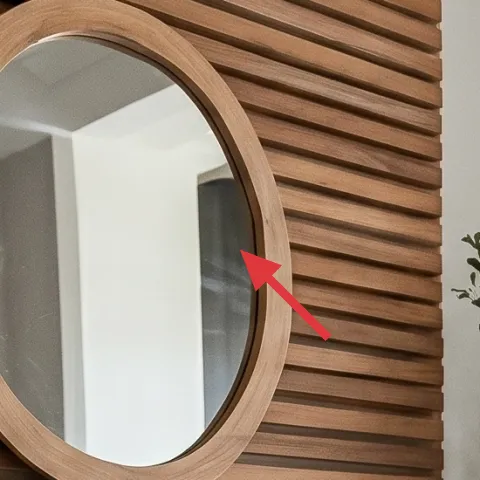
This oval mirror with a light wood frame sits against the slat wall and instantly doubles the visual brightness from the nearby windows. The rounded shape softens the straight lines of the slats, which is why it feels calmer than a rectangular mirror would. For shared housing, mirrors are one of the easiest “looks expensive” upgrades because you’re not changing fixed fixtures—just adding a movable focal point. The trade-off: bigger mirrors are heavier, so plan for careful carrying, but once it’s in, the reflection does the work for you every day.
Match the frame warmth to the slats
A light wood tone keeps the mirror from looking like a separate product competing with the wall texture.
Layer 6 — tall leafy indoor plant in woven pot ($40) Adds height, softness, and life
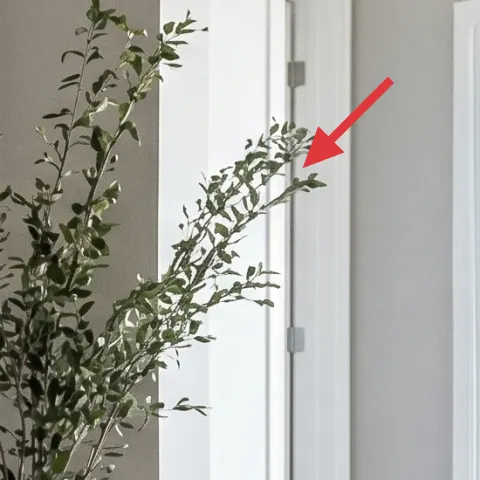
The tall leafy indoor plant in the woven pot brings vertical movement on the right side, balancing the bench mass on the left. Its sage-green tones also echo the calm, earthy-neutral palette so it doesn’t feel like a random pop of color. A freestanding plant is ideal for impermanence: if your next place has different light, you can relocate it. The alternative is a shorter plant, but that tends to get swallowed by the mirror and window glow—height is what makes this arrangement feel intentional.
Rotate for even leaf density
Turn the pot every couple of weeks so the plant stays full instead of leaning toward the light.
Layer 7 — decorative tray with scissors ($25) Keeps styling tidy at the seat surface
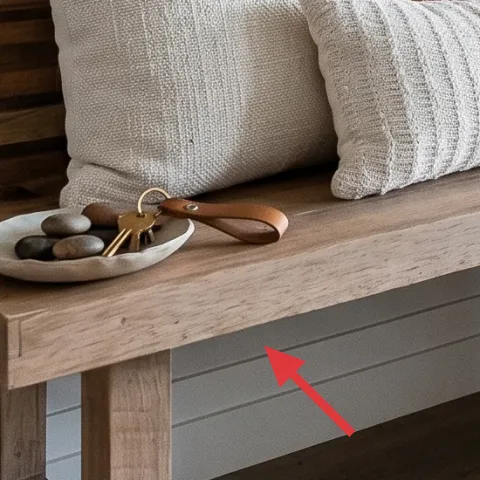
The small decorative tray on the bench turns a functional surface into a styled one, without making the nook look cluttered. The tray’s warm, natural feel matches the wood slats, and the little items grouped on top add a sense of “daily use,” not display-only decor. This is the kind of piece that packs well because it’s flat and easy to wrap. If you skipped the tray, small objects like scissors or tiny accessories would scatter visually across the plank top and make the nook feel busier than it needs to be.
Group two items, not six
A tray looks curated when it contains a small cluster with breathing room between pieces.
The cost, layer by layer
| Layer | Item | Cost |
|---|---|---|
| 1 | Light beige area rug | $80 |
| 2 | Three cream textured throw pillow covers | $36 |
| 3 | Cream linen throw blanket | $30 |
| 4 | Woven storage basket (round, open-top) | $20 |
| 5 | Oval mirror with light wood frame | $120 |
| 6 | Tall leafy indoor plant in woven pot | $40 |
| 7 | Decorative tray with scissors | $25 |
| Total | $351 | |
If you want a cheaper variant, keep the mirror and rug sizes, but reduce the pillow count to two covers and choose a smaller indoor plant with the same woven pot look. Everything still reads “japandi,” just with less vertical fullness.
What worked, what didn't (across the whole room)
The overall win here is that the styling uses texture and shape instead of wallpaper-level commitment—so it looks intentional in daylight and still packs up for moves. The one thing that can easily go off-track is the balance between the bench’s softness and the slat wall’s structure.
What worked
- The light beige rug turns the bench area into a defined nook instead of “furniture on floor.”
- Three cream pillow covers add layered depth without requiring any wall changes.
- The linen throw blanket brings a matte texture that matches the slat wall’s warm wood grain.
- The oval mirror softens straight lines and reflects daylight for a brighter feel.
- The tall leafy plant adds vertical rhythm and keeps the scene from feeling too symmetrical.
- The woven storage basket makes the nook useful while repeating the room’s texture theme.
What didn't
- Using one oversized pillow cover instead of three textured ones made the bench look flat.
- Skipping the rug made the seat feel temporary, like it wasn’t meant to be a zone.
- Overfilling the woven basket turned “texture storage” into visual clutter.
- Choosing a frame-colored mirror that didn’t match the wood warmth made it look detached.
What we'd skip if we did it again
Skip the urge to add wall decor on top of the wood slat panel. The mirror already provides the focal point, and extra frames can fight the horizontal rhythm of the slats.
Skip a single-color pillow set with no texture variation. In this nook, the texture difference between linen and woven fabrics is what keeps everything from feeling one-note.
Skip heavy, hard-to-carry accents like large planters or bulky stands. A tall plant in a woven pot and a small tray give you the look without the moving-day headache.
Frequently asked
How long does this window seat nook refresh take in a shared apartment?
Plan on 2–3 hours total if you’re starting from scratch with textiles and accessories already in boxes. Rug and pillow swaps are quick, and the mirror placement is the main slow part if you’re double-checking sightlines. If you’re also finding the right plant size or tray styling, add another hour.
What if my next place has different window light or a different bench size?
Keep the “system” instead of the exact layout: rug underfoot, layered throw and pillows, then one focal reflection (the oval mirror), plus one tall plant for height. For size changes, prioritize the rug dimensions and the pillow count—everything else can flex by a little without the nook losing its balance.
Can I do this in a smaller room without the same rug size?
Yes. If you go smaller, keep the rug’s texture and neutral color, and pull it far enough under the bench that the seat feels like it has a base. If you can’t fit the full 5×7 vibe, a slightly smaller rug plus a clean pillow arrangement still reads “intentional.”
Where should I shop differently to keep the look consistent but cheaper?
For textiles, look for off-white linen-look throws and textured pillow covers at home goods stores during sales or in online marketplaces. For the mirror, prioritize frame warmth over brand—thrift and resale can have great wood-toned oval frames. The plant and woven basket are often the most budget-flexible pieces if you match the natural, woven materials.
What’s the biggest mistake people make with japandi window-seat styling?
Overmatching everything. If the pillows, throw, tray, and basket all look exactly the same weave, the nook starts to feel flat. The fix is to keep one palette—cream, warm wood, sage-green—while varying texture: linen matte, woven fibers, and a smooth wood mirror frame.
More in Small Spaces
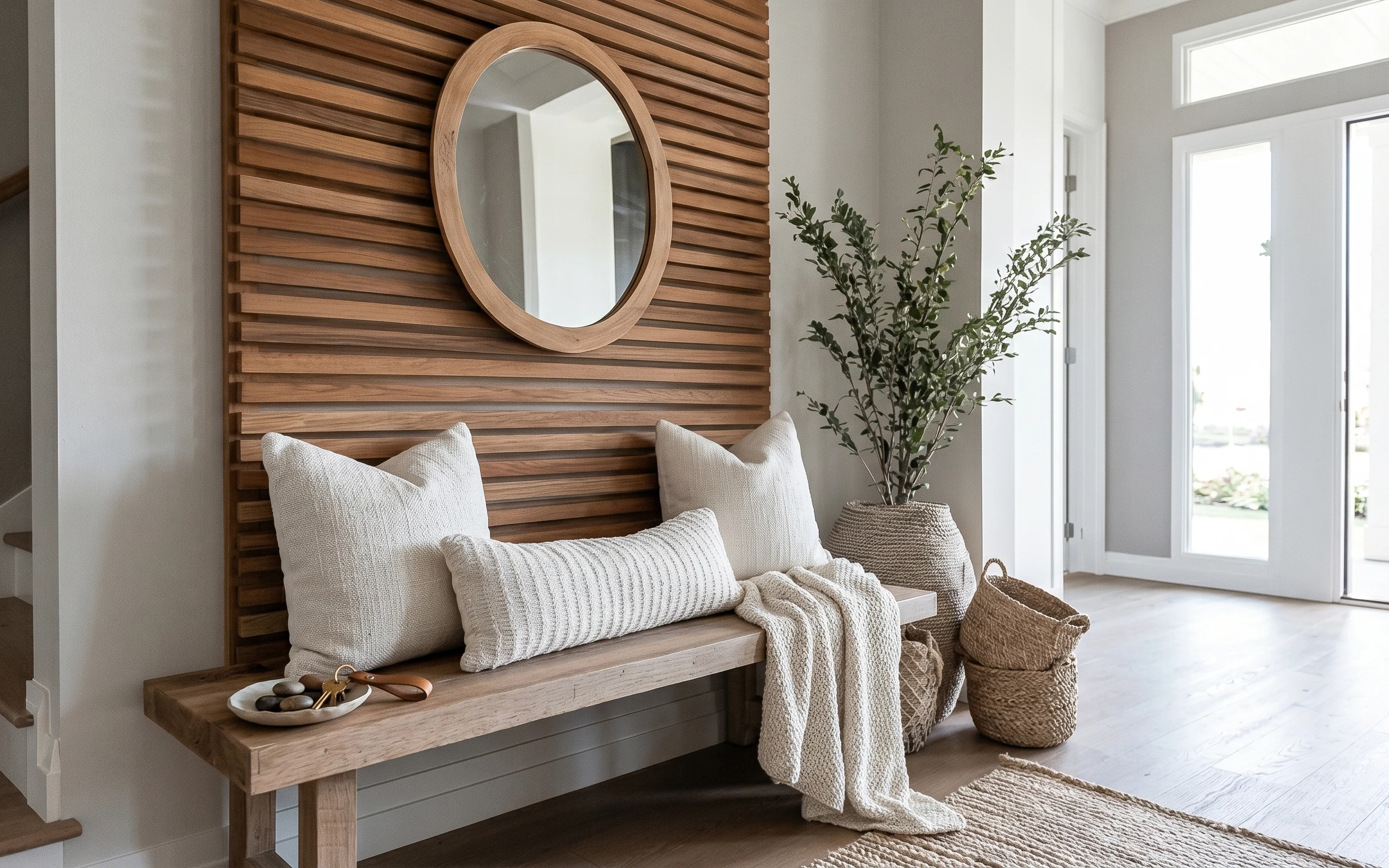
How to soften a window seat nook for under $400
A window seat nook in warm wood and cream gets calmer with move-friendly textiles, a woven basket, and a bigger mirror. This refresh stays …
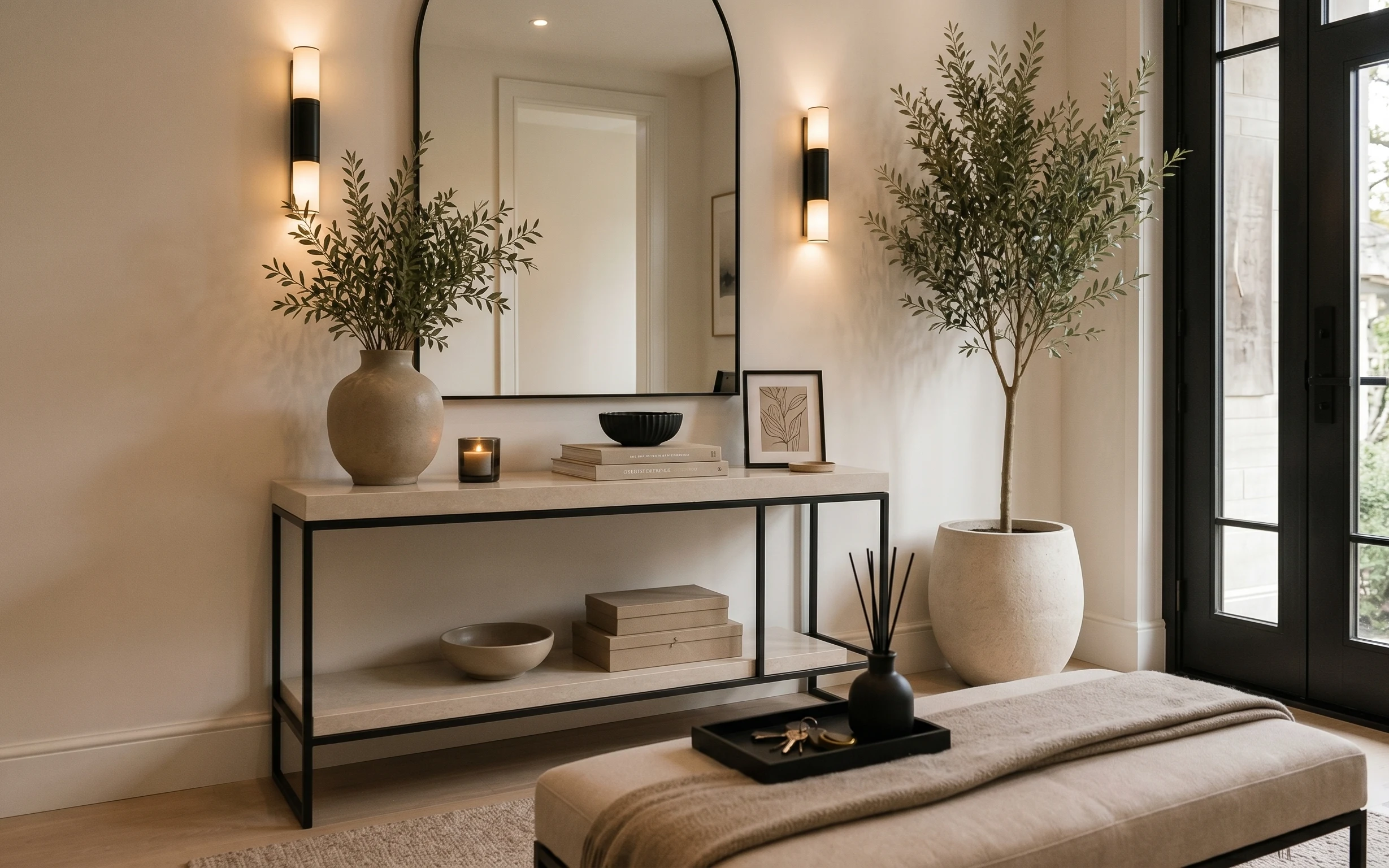
7 small-space swaps for a bench-and-console nook, $700 weekend refresh
A bench-and-console nook can feel pulled together fast with 7 swaps: a plush beige rug, a black metal console, and a framed botanical print…
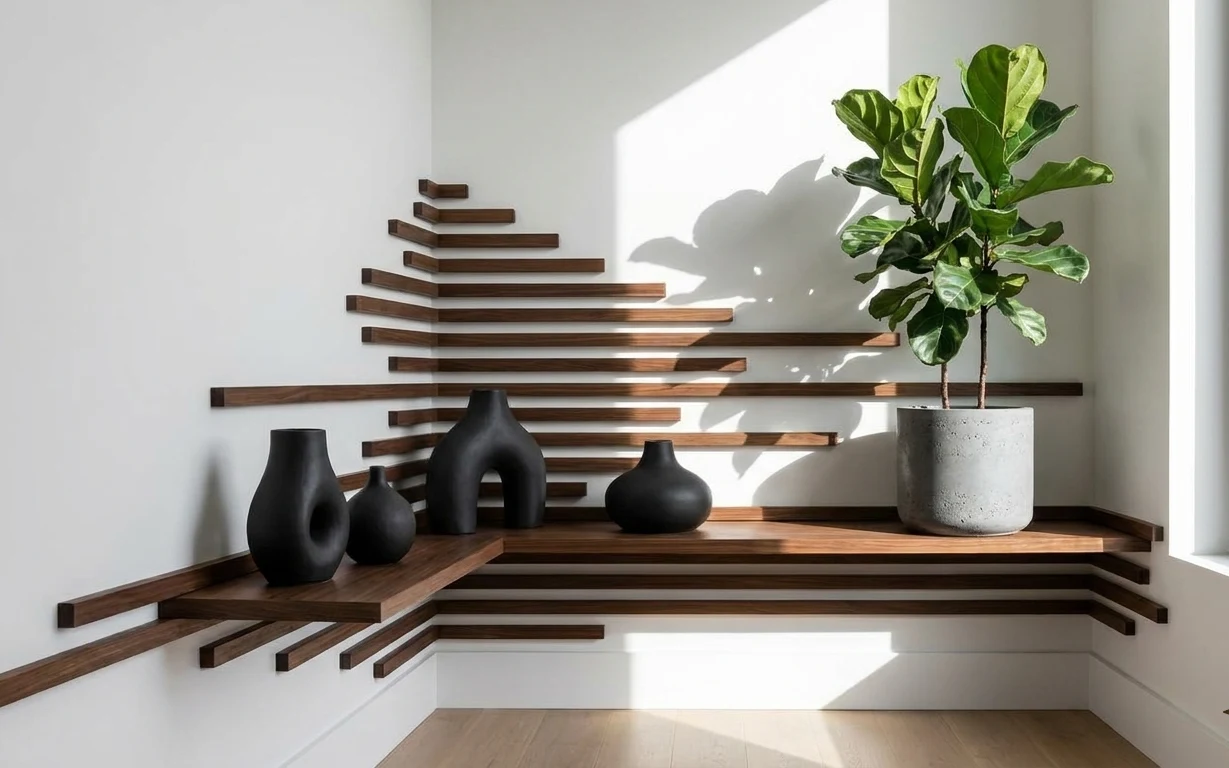
Under $300 Window-Side Shelf Nook: Black Ceramic + Walnut
A sunlit window-side shelf can read styled without feeling staged, using 7 swaps you can pack and take with you. This $300 plan centers on …