- Best for
- Soft layering in shared bedrooms
- Time
- 2 afternoons
- Total cost
- $389
- Renter-safe
- Yes—no permanent installs
Why warm-light wood is the upholsered bed room of 2026
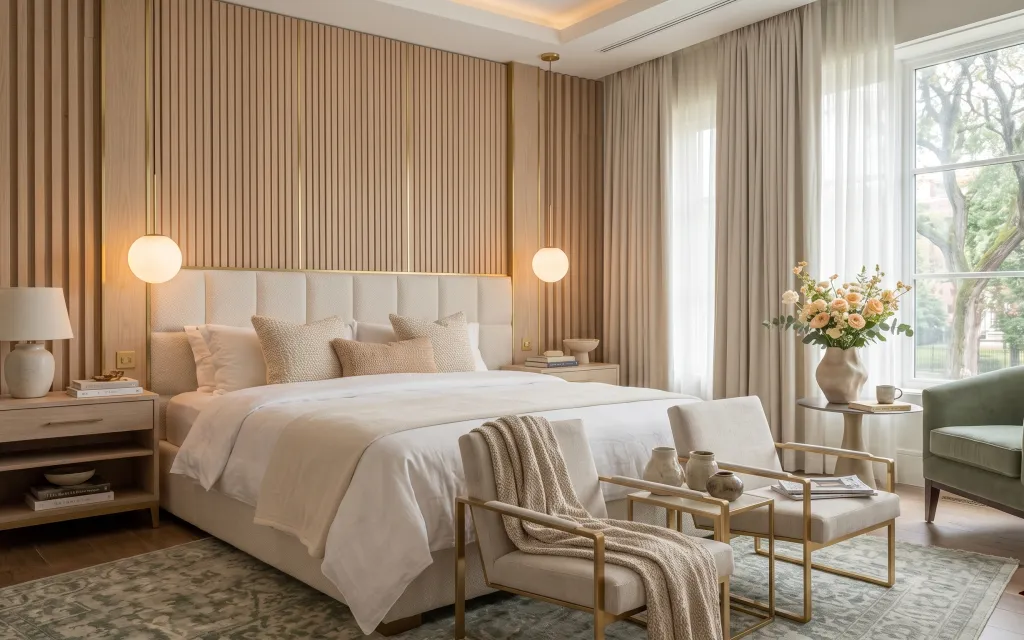
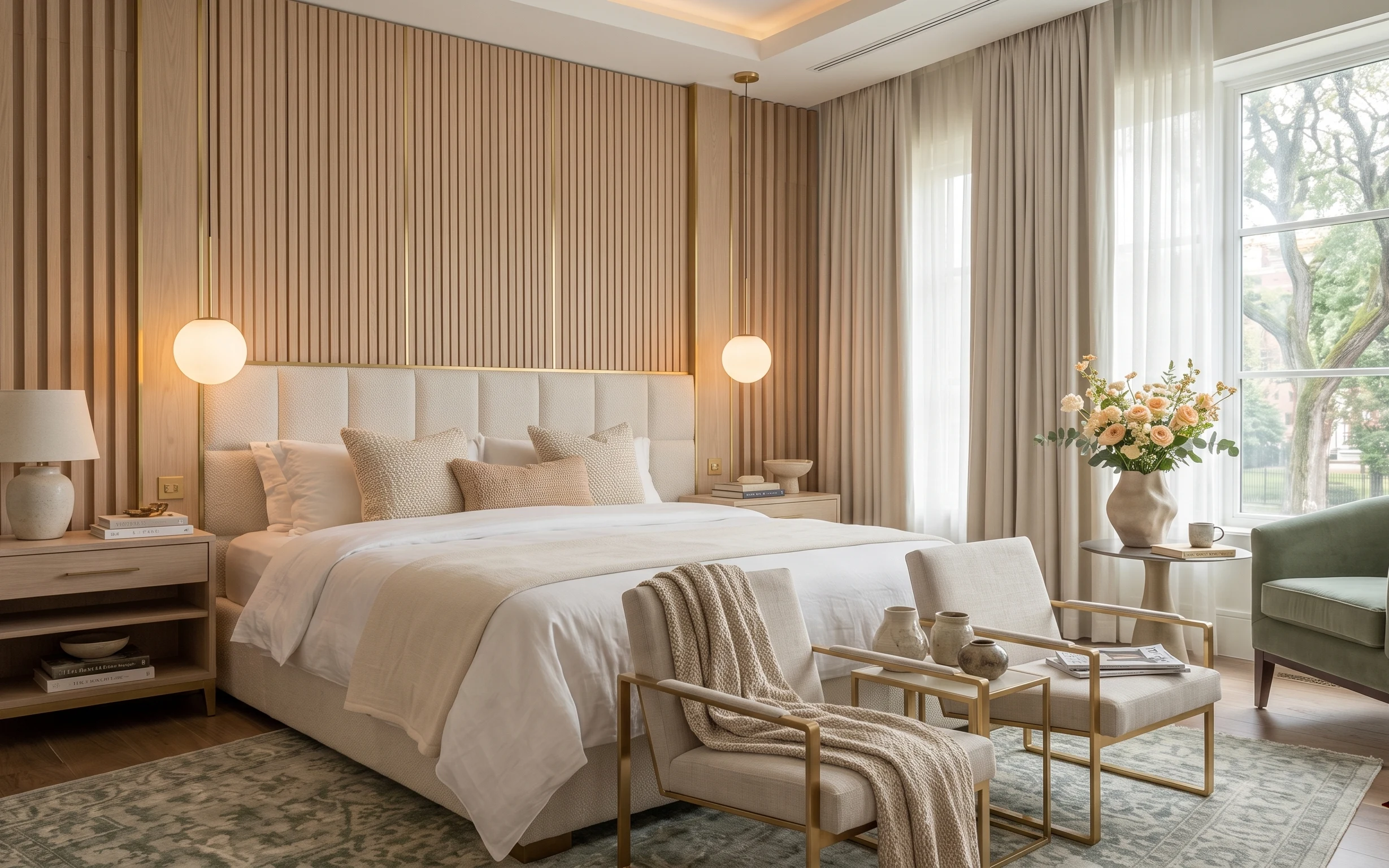
In the photo, the vertical wood-slat wall and the cream bedding create a clean, japandi mood without needing bold color. The textures are what keep it from feeling sterile: a cream patterned area rug underfoot, crisp white sheer curtains at the windows, and a textured throw folded across the bed. Even the lighting feels considered—soft, rounded lamp shades instead of harsh overhead brightness. For students and roommates, this kind of “base mood” is achievable because the big visual work comes from items you can carry: rugs, curtains, and repeatable bed styling that box flat.
I used to overbuy “statement” decor for shared spaces—usually a frame that looked great in my apartment and then didn’t survive the move. What changed for me was paying closer attention to scale: the rug pattern needed to be large enough to anchor the whole bed-and-bench zone, and the curtain panels needed enough length to soften the window area. Once I stopped treating everything like it had to be wall-art, my swaps started working in every layout—exactly what you want when leases move fast.
Layer 1 — throw pillow covers (set) ($24) Swap in colorfast neutrals that dye well
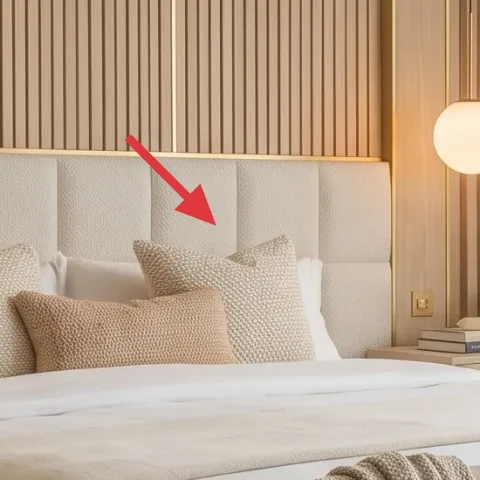
These pillow covers are the easiest way to push the room toward “warm beige + soft texture” without changing anything fixed. In the photo, the bed has a mix of cream tones and nubby, woven-looking textiles—so the cover you choose should read textured up close, not shiny. Buying a set also helps with mismatch control: you get a pair (or matching counts) that keep the bed from looking accidental in photos. The trade-off is that covers need a little care—washed textiles don’t look brand-new forever—but they’re still faster to refresh than any wall change.
Color story check
Pick one cream family (oat, sand, or warm ivory) so the covers echo the rug instead of competing with it.
Layer 2 — textured throw blanket ($25) Add weight to the bed styling
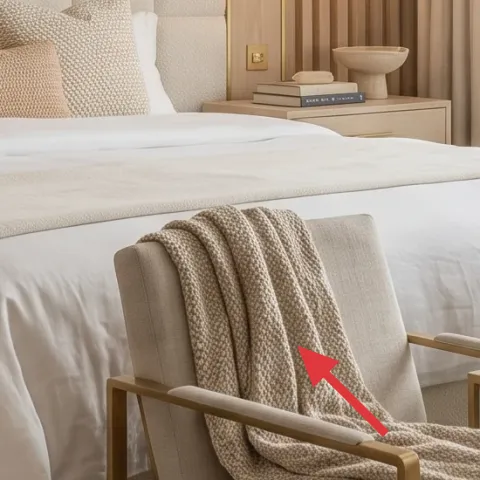
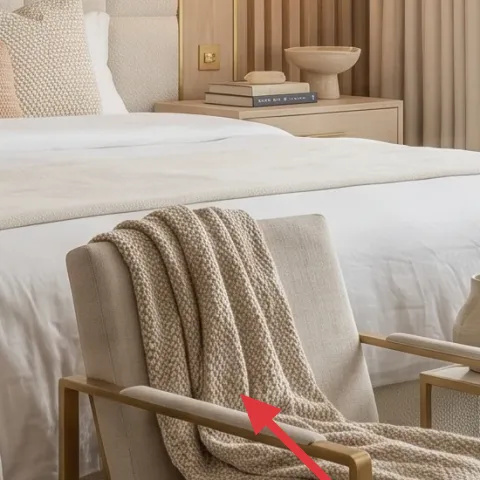
A throw blanket does double duty here: it adds texture where the eye lands (across the bed and bench zone) and it makes the whole setup look layered instead of flat. In the hero, the blanket reads as warm and slightly fuzzy, which is why it works against the smoother white duvet cover. This is the kind of soft accessory that packs well—fold it once, stack it in a tote, and it’s ready again in a new room. The obvious alternative is another set of pillows, but throws usually show up more in wide views and feel more intentional when someone walks in.
Match the “hand feel”
If the rest of your textiles are smooth, choose a nubby or ribbed throw so the bed doesn’t blur together.
Layer 3 — white table lamp ($35) Keep the glow warm without touching wiring
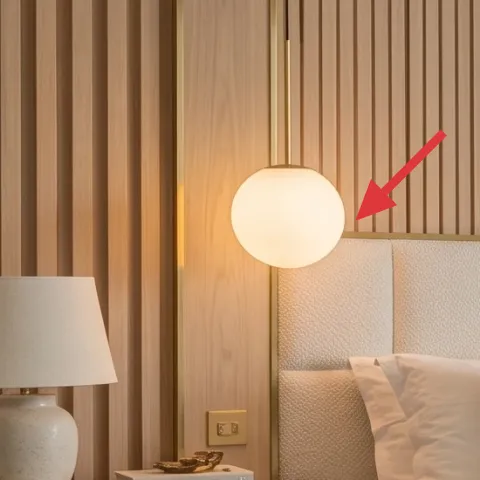
Plug-in table lamps are the safest lighting upgrade for shared housing because they don’t require any electrical work or fixed changes. The hero uses rounded white shades that soften the wood-slat wall and flatter the cream bedding at night. For this refresh, prioritize a lamp that tilts the light downward (so it reads cozy) rather than blasting straight across the room. The trade-off is bulb choice: an overly cool bulb can make cream look gray, so use a warm bulb (the warm end of the spectrum) whenever possible. Compared with ceiling lighting, table lamps also travel more easily.
Watch the shade material
If the shade is too sheer or too reflective, the lamp can look harsh instead of soft on camera.
Layer 4 — two-drawer bedside nightstand ($60) Give the lamp a home base
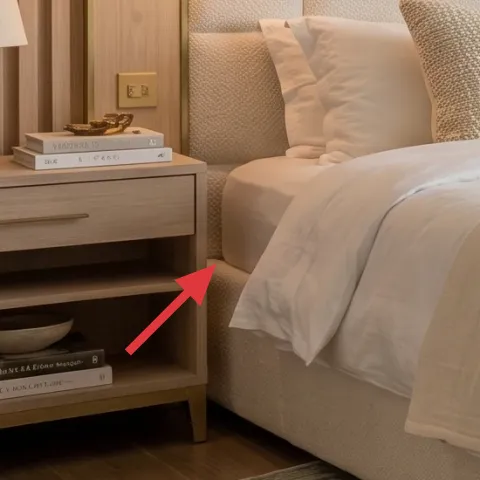
A compact bedside nightstand makes the whole bed area feel “finished” because it creates a place for the lamp, a stack of books, and small objects. In the photo, the nightstand’s light wood tone matches the room’s wood elements, which is why everything looks cohesive even though nothing is identical. For roommates, it’s also practical: drawers help hide cords and extra linens that you don’t want on day one. The trade-off is footprint—too large and it crowds the walkway—but at this size you get function without the moving headache of a big dresser. It’s a furniture swap you can still lift and pack.
Keep the top surface clear
One lamp + one small tray beats a scattered surface that makes the room look unfinished.
Layer 5 — beige curtain panels ($60) Let daylight do the styling
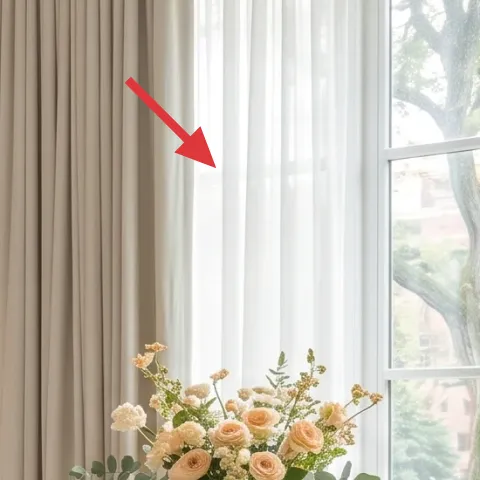
Curtain panels are where this look gets its calm. In the hero, beige drapes hang long enough to soften the window wall, and the sheers keep the daylight diffused. For a shared space, choose panels you can clip or tension-adjust depending on what your place allows—then make sure the fabric has enough weight to hang cleanly, not float. The trade-off is that curtains are sometimes fussier to iron, but they’re still removable and packable. Swapping curtains is usually cheaper (and less permanent) than trying to change the wall or ceiling mood.
Sheer + drape rhythm
Even if you add only one layer now, keep the sheers for airiness and the panels for structure.
Layer 6 — ceramic vase with mixed flowers ($35) Add a living accent without clutter
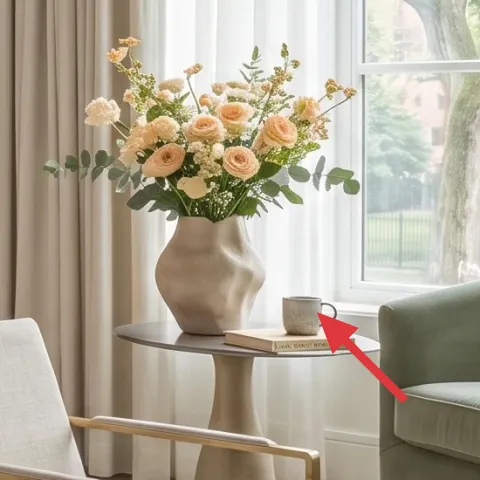
The ceramic vase with mixed flowers brings warmth and a little “still life” charm without needing any wall mounting. In the photo it sits on the round side table near the window, where it catches daylight and gives the room a focal point beyond the bed. For your version, keep the vase scale similar: not so tall that it blocks sightlines, and not so tiny that it disappears when you’re standing across the room. The trade-off is that fresh stems won’t last forever, but that’s part of why this works for impermanent spaces—swap bouquets on your schedule, and the vase still travels. If you can’t keep flowers alive, go for a bouquet you can refresh regularly.
Repeat one color
Pick flowers that echo the rug tones—cream, soft peach, or warm beige—so everything stays cohesive.
Layer 7 — cream patterned area rug ($150) Anchor the bed zone like a designer
A large area rug is the anchor piece that makes the whole room look “planned,” especially when the walls are busy with wood slats. The hero’s cream patterned rug ties into the bedding and gives the space a softer landing under the bed, bench, and seating area. For shared housing, choose a rug you can roll tightly for moving day and that can handle normal wear—patterns help hide the everyday stuff (coffee spills, scuffs, and laundry-day grit). The trade-off is cost: rugs are rarely cheap, but this is one of the few items that changes the room instantly without any permanent installs. If there’s one purchase to prioritize, it’s this.
Check underlay before you commit
If the rug slides on your floor type, add a rug pad so it stays put and doesn’t wrinkle.
The cost, layer by layer
| Layer | Item | Cost |
|---|---|---|
| 1 | Throw pillow covers (set) | $24 |
| 2 | Textured throw blanket | $25 |
| 3 | White table lamp | $35 |
| 4 | Two-drawer bedside nightstand | $60 |
| 5 | Beige curtain panels | $60 |
| 6 | Ceramic vase with mixed flowers | $35 |
| 7 | Cream patterned area rug (8×10) | $150 |
| Total | $389 | |
Cheaper variant: keep the lamp and curtains, but swap the 8×10 rug for a smaller 5×7 style and choose one bouquet instead of a larger arrangement. You’ll lose a bit of “anchored” impact, but the room stays calm and move-friendly.
What worked, what didn't (across the whole room)
This room works because the upgrades are soft, portable, and tied to one warm neutral palette. The result is a bed zone that feels layered in daylight and still soft at night. The only weak points are the items that can be fussy—textiles that need folding consistency and rugs that need staying power.
What worked
- The large cream patterned area rug anchors the bed, bench, and seating zone with one visual base.
- Beige curtain panels soften the window wall while sheers keep the daylight feeling airy.
- White table lamps add warm glow without changing any fixed ceiling lighting.
- The nightstand creates a clear landing spot for books and small objects, keeping surfaces calm.
- Textured throw blankets add depth on the bed and bench without requiring wall installs.
- Ceramic vase styling provides a focal point near the window and keeps the room from feeling too minimal.
What didn't
- Choosing a rug with a busy pattern can fight the wood-slat wall instead of harmonizing.
- Curtains that hang too short make the window area feel unfinished, even if the fabric is pretty.
- Cool-toned bulbs can make cream bedding look dull next to light wood.
- Throw blankets that are too thin read flat in photos, especially against textured bedding.
What we'd skip if we did it again
Skip anything that requires wall drilling or permanent mounting. In shared housing, the layout will change, and fixed wall items become the reason moving day gets stressful fast. Soft goods and plug-in decor keep the “designer look” while staying dismantle-and-pack friendly.
Skip buying a tiny rug if the bed sits on a large floor zone. When the rug doesn’t reach under the bed enough, the room reads floating—no matter how pretty the bedding is. A larger rug is what makes the bed zone feel grounded.
Skip neutral accents that don’t repeat the same undertone. If the rug is warm cream and the pillows lean cool white, the room can look mismatched even when everything is “neutral.” One undertone story is the easiest way to keep the japandi calm.
Frequently asked
How long does a refresh like this take for roommates?
Plan for about 4–6 hours total across two afternoons. Day one is for the rug and nightstand placement, plus lamp setup. Day two is for curtain hanging (if your setup allows clips/rods) and the final bed layering. The biggest speed factor is having foldable textiles ready to stack in one box by color.
What if my room is smaller or the bed layout is different?
Keep the same palette, but downsize only the rug. For a smaller floor plan, a 5×7 rug can still anchor the bed if it runs far enough beyond the mattress edges. Curtains should still hang long enough to visually soften the window—short panels tend to make tight rooms feel busier.
Can I do this in a rental without changing windows or lighting?
Yes. This approach leans on curtains, rugs, lamps, and styling pieces you can remove without touching fixed components. If your window setup doesn’t allow curtain rods, look for clip-tension methods that don’t leave residue. For lighting, plug-in table lamps work in almost any rental situation.
Where should I shop so the items match the photo’s warm neutral look?
Search for the exact materials you see: cream area rugs with subtle pattern, beige curtain panels with a heavier drape, and off-white rounded lamp shades. Thrift stores can be great for lamp bases and nightstands, but buy rugs new if possible for size and condition. The goal is repeating warm undertones—light wood, cream, and soft beige.
What’s the biggest mistake people make with bedroom layering?
Overbuying small decor pieces while skipping one anchor. If the rug is too small or the curtains are too short, the room won’t look finished even with nice pillows. Anchor first with rug + drape, then layer blankets and pillow covers for texture.
How do I pack these items when a lease ends?
Rugs roll tight, blankets fold flat, and pillow covers can go in one zip bag per color set. Lamps and nightstands should be packed with their shade and glass protected separately. Curtains roll around a cardboard tube if you have one. The ceramic vase is the only fragile piece—wrap it in multiple layers and pack it in a box with padding.
More in Bedroom
How to update an upholstered bed room for $400 (7 move-ready swaps)
A $400 bedroom refresh that leans japandi: swap in a warmer rug, add curtain drape, and restyle the bed with move-friendly soft goods. Each…
Under $1000: warm-beige bedroom with vanity refresh
A warm cream-and-taupe bedroom with vanity gets a luxe look by swapping 7 budget-friendly pieces—curtains, art, lighting, plant styling, an…
What $300 buys: a move-ready bedroom refresh
A warm, japandi-leaning bedroom refresh built from 7 no-drill, packable swaps—focused on layering textiles, adding one plug-in lamp, and sw…